Finding Value-Add Opportunities In Aurora Homes
May 21, 2026
May 21, 2026
If you are hoping to build equity in Aurora, the right home is not always the one with the flashiest finishes. In a market where many buyers are looking for a long-term fit, value often shows up in homes with solid basics, functional potential, and room for thoughtful improvement. If you know where to look and what to verify before you buy, you can spot opportunities that make sense now and support resale later. Let’s dive in.
Aurora stands out within Portage County as a higher-value, owner-occupied market. Census QuickFacts reports an owner-occupied housing rate of 82.7% in Aurora, compared with 70.1% in Portage County overall, and a median owner-occupied home value of $387,800 versus $227,000 countywide.
That matters because value-add strategy in Aurora usually works best when it supports everyday livability and broad resale appeal. Instead of chasing highly custom upgrades, you are often better served by making a home more polished, functional, and well maintained.
Aurora also has a mix of housing styles and ages that can create different kinds of opportunities. The Aurora Historical Society notes that the center of town includes many original structures and about 120 century homes, so some properties may offer value through a careful balance of preserved character and updated interiors.
In Aurora, the strongest opportunities are often not dramatic fixer-uppers. They are homes that already have a workable layout, a desirable setting, or solid structure, but need updates that improve how the home looks, feels, and functions.
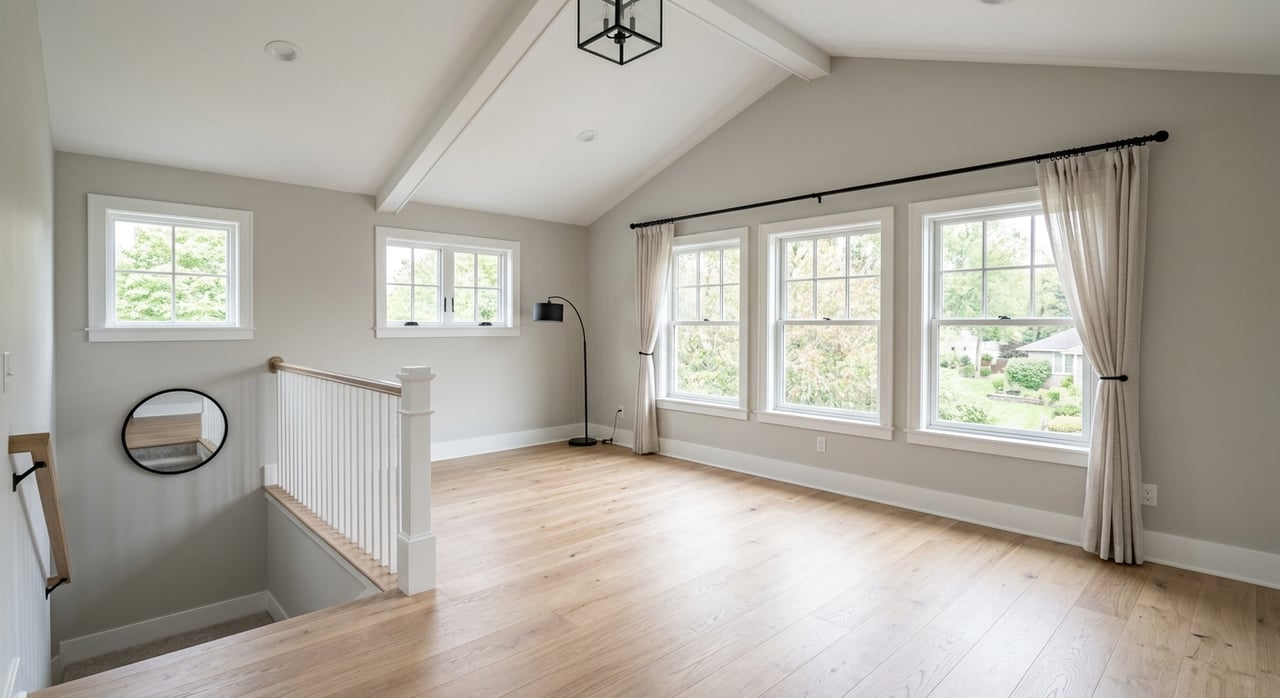
Cosmetic refreshes are often the simplest place to create value. Dated finishes, worn flooring, older paint colors, tired lighting, and aging fixtures can make a home feel behind the market even when the bones are strong.
When you update these elements in a cohesive way, you can make the home feel cleaner and more current without changing its core footprint. In a market like Aurora, that kind of improvement often aligns well with what future buyers want.
Some homes have good square footage but do not use it well. A value-add opportunity may come from improving flow, storage, or everyday usability rather than adding highly specialized features.
Think about whether the home already has spaces that could work better with thoughtful changes. A more functional kitchen setup, better use of a mudroom area, or improved room connections can lift the home's appeal without pushing it too far beyond the local resale ceiling.
Not all value-add opportunities are visible at first glance. In many cases, the real upside comes from buying a home with dated systems at the right price, then improving the items that affect comfort, maintenance, and resale.
Aurora's permit materials reference projects involving roofs, windows, siding, gutters, electrical, plumbing, HVAC, insulation, drainage, waterproofing, and foundation repair. These are not always exciting upgrades, but they can have a major impact on livability and buyer confidence later.
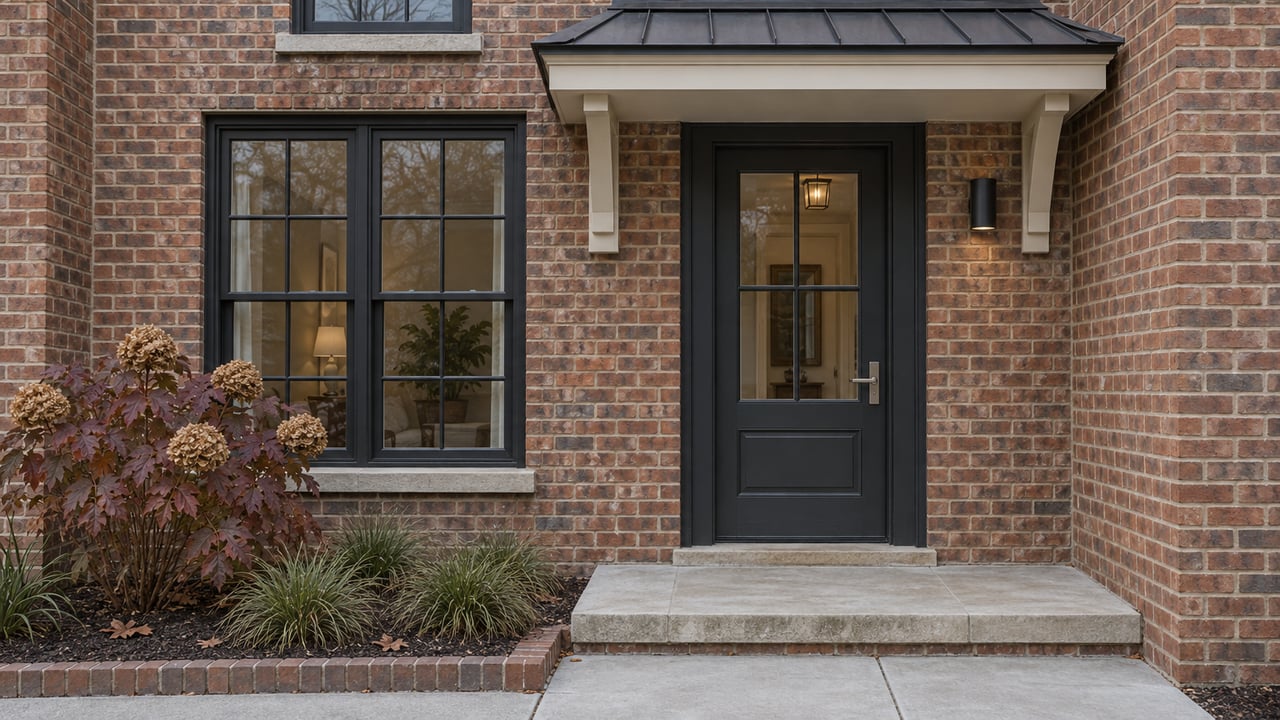
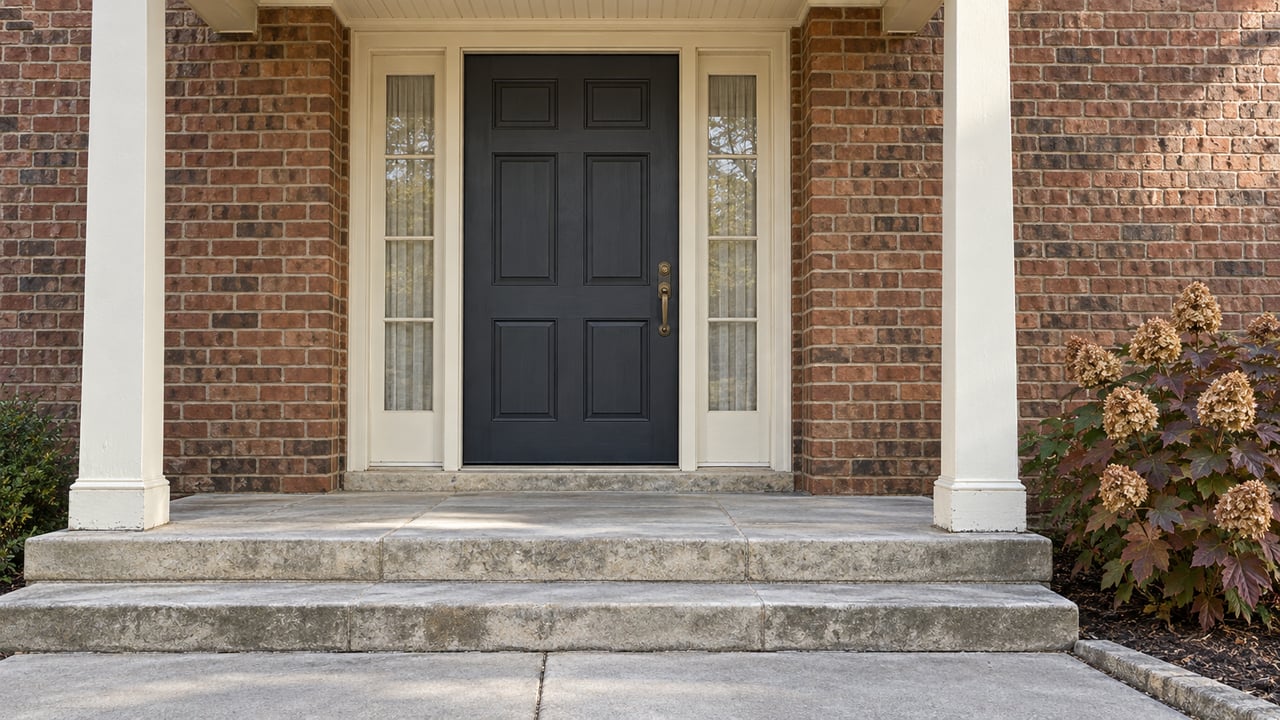
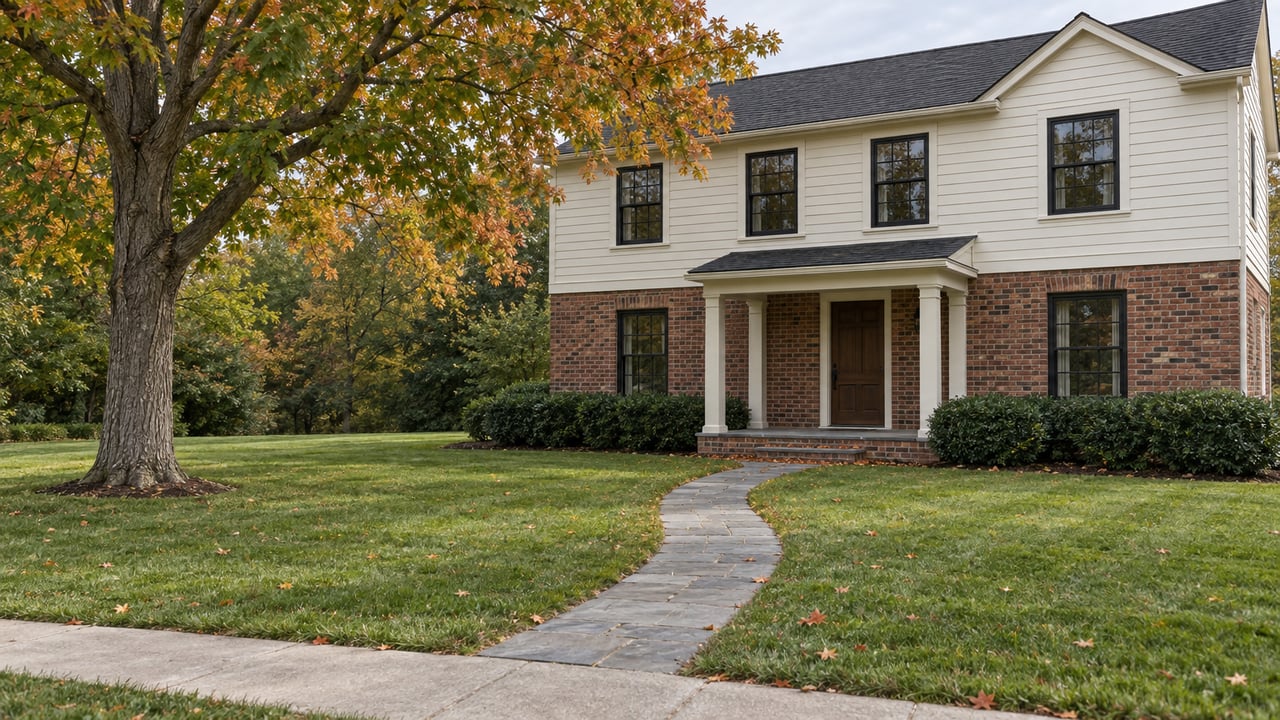
Curb appeal still matters, especially in an owner-occupant-heavy market. Exterior updates like refreshed doors, replacement windows, siding work, roof replacement, gutter improvements, and better drainage can help a home feel cared for before a buyer even steps inside.
These improvements can also reduce the risk of deferred maintenance becoming a bigger issue. If you are evaluating an Aurora home with exterior wear, it is worth asking whether the needed work is manageable and whether the purchase price leaves room to address it properly.
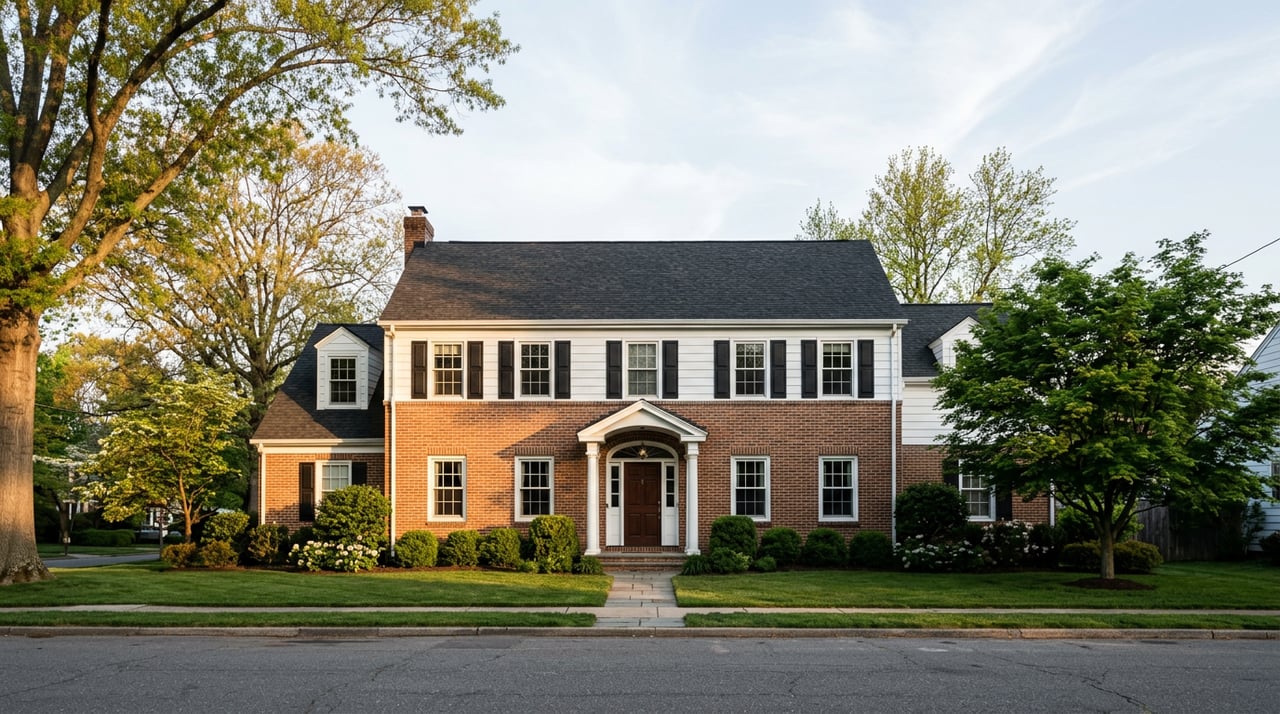
Aurora is not a one-size-fits-all market. A newer home may offer value through cosmetic changes or a more efficient use of existing space, while an older or century home may offer upside through restoration, modernization, and maintenance planning.
With older homes near the city center, character can be part of the value story. Original details may appeal to future buyers, but only if the home also feels usable and well maintained for modern living.
That means your renovation approach should match the property itself. In some homes, preserving charm while updating kitchens, baths, and systems may be the smartest path. In others, the better opportunity may be a simpler refresh that improves function without overcomplicating the project.
A value-add purchase can look great on paper and still become frustrating if you skip local due diligence. Aurora maintains its own planning, zoning, and building department, and Portage County notes that the city does not fall under the Regional Planning Commission.
In practical terms, that means city-level review matters for many projects. Before you buy, it is smart to understand what the home needs, what your likely project scope will be, and what the city may require.
Aurora's residential permit materials make it clear that many projects buyers view as basic updates are treated as formal city work. Interior alterations require a permit application and registered contractors.
The city's exterior permit form covers replacement windows, doors, roofs, gutters, siding, generators, waterproofing, foundation repair, and related projects. If your value-add plan depends on these updates, you should factor permit timing and contractor requirements into your budget and timeline.
Aurora's permit forms also ask whether the property is in an HOA and request HOA approval when applicable. That is an important detail for buyers who assume city approval is the only hurdle.
If the home is in a community with an HOA, make sure you understand any design standards, application steps, or approval timing early. This can matter for exterior updates and other visible changes.
If you are thinking beyond cosmetic work, Aurora requires more documentation for larger changes. The city's residential additions packet requires site plans, architectural review, and registered contractors.
Accessory buildings larger than 200 square feet also require Architectural Board of Review approval. So if your strategy includes adding a garage, building a large shed, or expanding the footprint, you will want to build that review process into your decision from day one.
Good value-add decisions are not just about the house itself. They also depend on what you can confirm about ownership history, taxes, assessments, and prior sales.
The Portage County Auditor maintains parcel ownership histories, property valuations, property sales information, and real estate tax and special assessment information. Reviewing that information can help you understand carrying costs and assess whether the purchase price and renovation plan make sense together.
For renovation-minded buyers and light investors, this step can prevent overly optimistic assumptions. It gives you a clearer picture of the numbers before you commit.
Some buyers look at a home and see not only a future residence, but also a possible rental strategy. In Aurora, that plan comes with a local compliance question.
Aurora code requires non-owner-occupied units to be registered with the city's Planning, Zoning and Building Division. If you are buying with the intention to rent the property now or later, that requirement should be part of your planning from the start.
One of the biggest risks in a value-add strategy is putting more into the home than the market is likely to reward. In Aurora, the safer play is often to make the home a better version of itself.
That usually means focusing on improvements that increase usability, condition, and visual appeal for a wide range of future buyers. Clean finishes, solid systems, and practical upgrades often carry more resale strength than highly personalized or overly ambitious redesigns.
A disciplined plan can also help you prioritize. Start with maintenance and systems, then address function, then consider cosmetic upgrades that tie everything together.
If you are searching for value-add opportunities in Aurora, the goal is not simply to find the cheapest house or the biggest project. The goal is to find a home where the improvements are clear, the local review path is manageable, and the finished result will still fit Aurora's market.
That is where a measured, renovation-informed approach matters. When you look carefully at condition, usability, permit requirements, and resale context, you can make choices that feel confident instead of speculative.
If you want help identifying the right kind of opportunity in Aurora, Tiffany Scavone brings a practical renovation lens, local strategy, and clear guidance to help you evaluate what is worth pursuing.
Stay up to date on the latest real estate trends.


Tiffany Scavone delivers a luxury-level experience defined by strategy, discretion, and results. Whether buying or selling, you’ll receive hands-on service and expert guidance at every step.