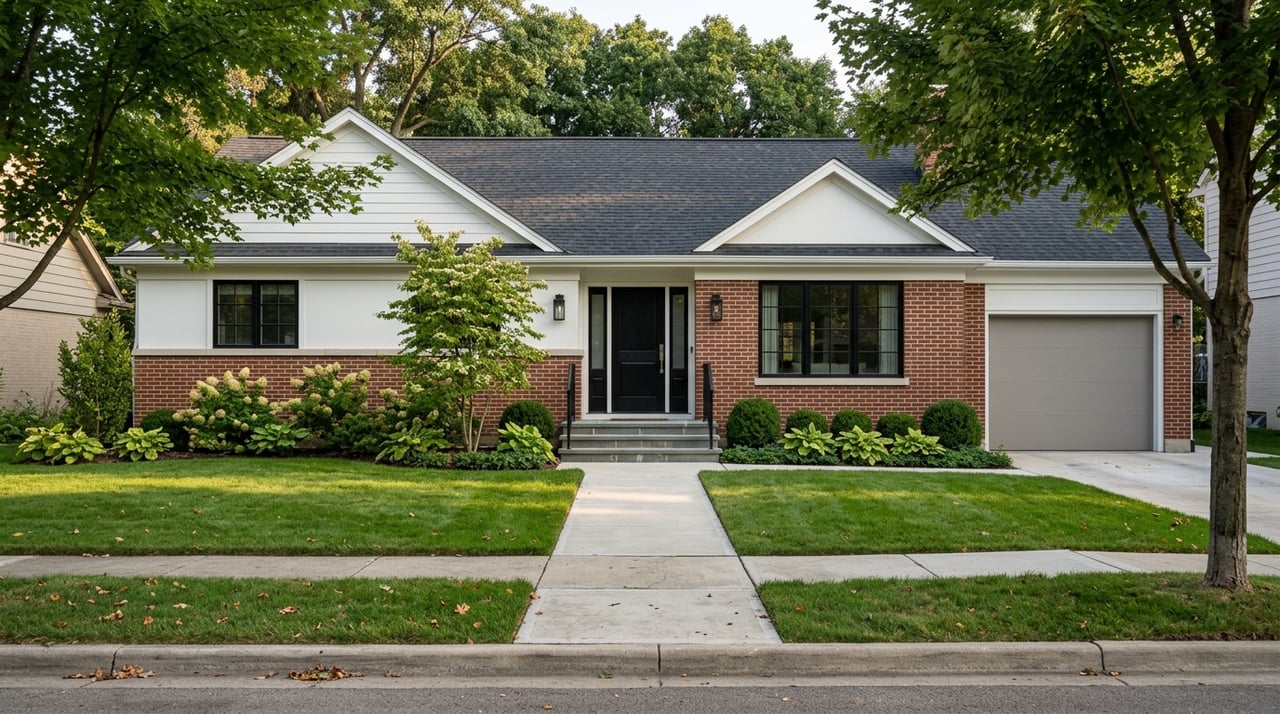
Hudson Neighborhoods And Housing Styles Explained
June 18, 2026
June 18, 2026
Wondering how Hudson neighborhoods actually differ once you look past listing photos? If you are trying to buy or sell in Hudson, it helps to understand how the city’s layout, planning goals, and housing styles shape what daily life can look like from one area to the next. This guide breaks down Hudson’s main residential patterns, what kinds of homes you are likely to find, and how to think about the tradeoffs between character, lot size, walkability, and maintenance. Let’s dive in.
Hudson’s 2024 Comprehensive Plan describes the city’s single-family neighborhoods as the backbone of the community and Downtown Hudson as its heartbeat. The city’s future land use approach organizes residential areas into suburban residential, rural residential, medium-density residential, higher-density residential, and downtown typologies.
That matters if you are house hunting because Hudson is not one uniform market. Some areas lean historic and walkable, some feel classically suburban, and others offer a more private, estate-style setting with more land. If you are selling, that same framework helps shape how your home should be positioned for buyers.
Downtown Hudson and the Village Core form the city’s historic and commercial center. The 2024 plan describes this area as a compact, pedestrian-scale setting where retail, services, mixed use, and public uses remain concentrated, with pedestrian connections treated as a priority.
If you want to be close to Main Street and the streets around East Main, Aurora, and the Historic Village area, this is where you see Hudson’s oldest and most varied housing stock. These homes often appeal to buyers who value architectural character and a more connected, close-in setting.
In and around Hudson’s historic area, city and heritage sources point to a wide mix of architectural styles, including:
That variety is part of what makes this part of Hudson feel distinct. You may see homes with very different proportions, details, and renovation histories within just a few blocks.
Historic homes can offer charm that is hard to replicate in newer construction, but they can also come with more decision points. Hudson treats this area as a regulated preservation district, which means exterior changes to historic structures require city approval and must meet design standards and rehabilitation criteria.
If you are considering a historic home, it is smart to look beyond finishes and think about the bigger picture. A home with beautiful character may also require thoughtful planning around updates, maintenance, and exterior projects.
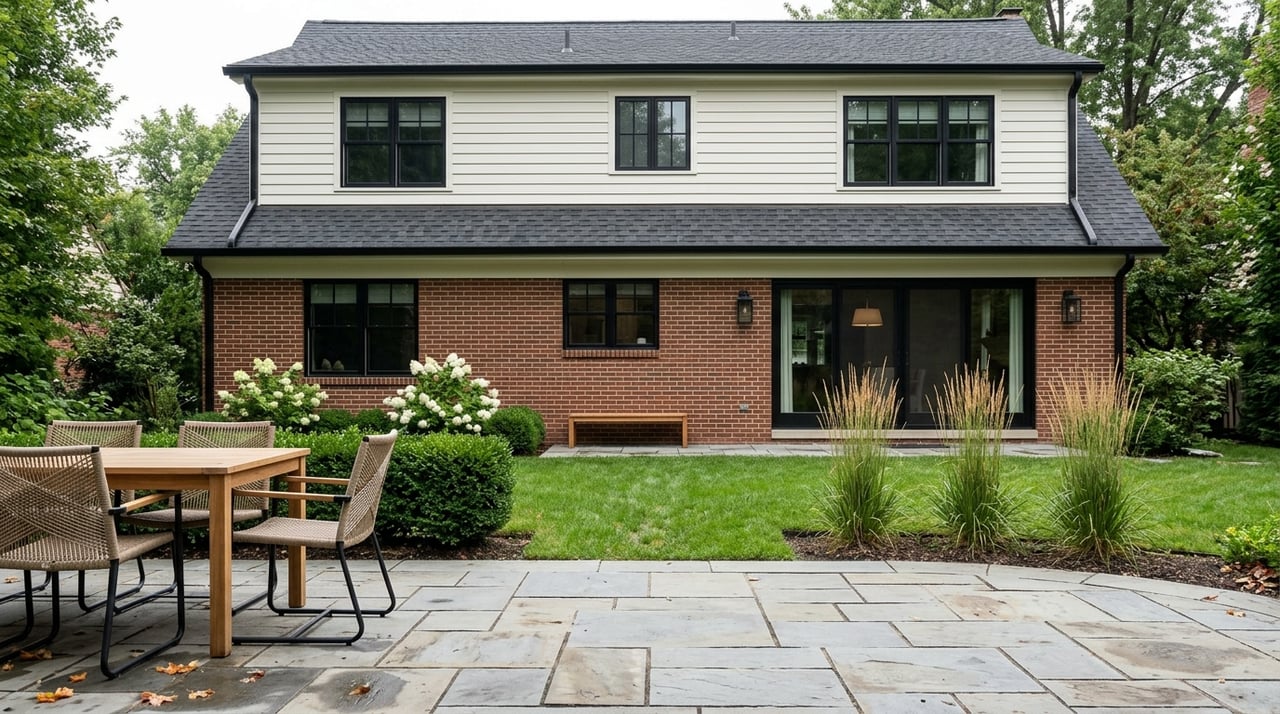
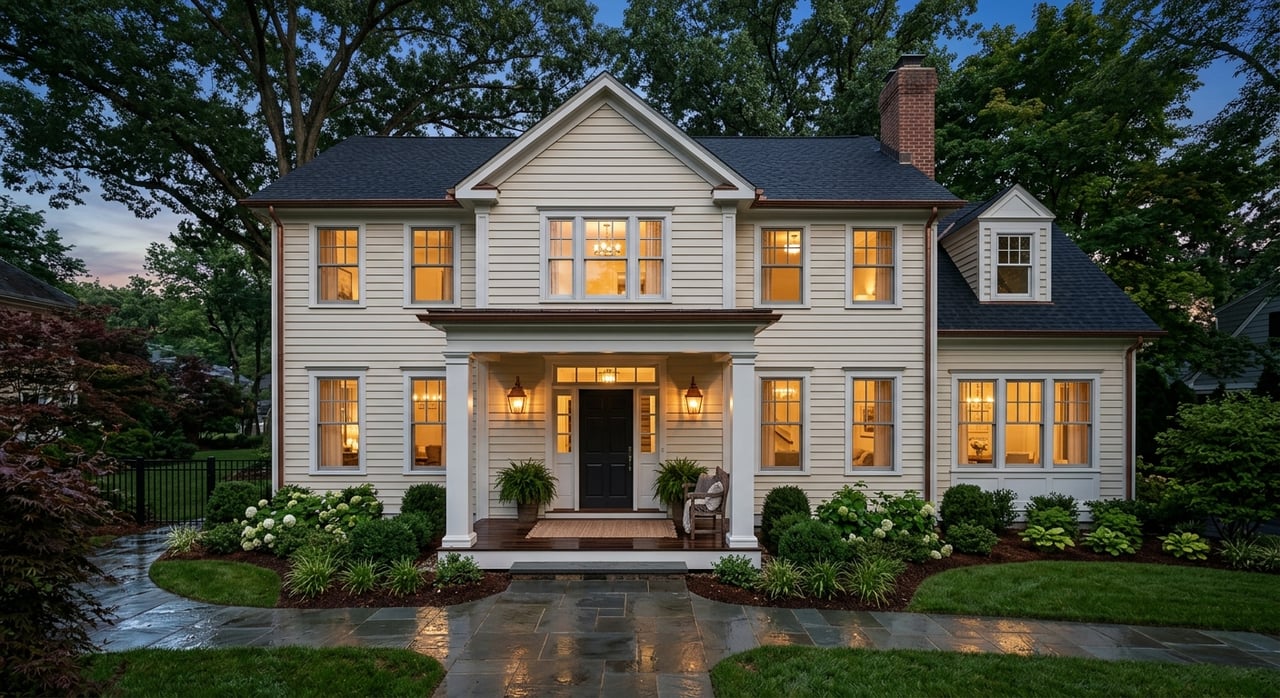
Outside the historic core, much of Hudson reads as the classic suburban market many buyers picture first. District 1 is described as single-family detached housing at roughly one unit per half-acre to one unit per 2.5 acres.
District 3, called the outer village residential neighborhood, is denser at about two dwellings per acre. The city describes it as having traditional subdivision design, curvilinear streets, and some open-space dedications, with a housing mix that can include attached single-family homes, duplexes, and townhomes.
For many buyers, these neighborhoods offer a more conventional suburban layout than downtown-adjacent streets. You are more likely to find larger lots than in the historic core, more uniform street patterns, and a familiar single-family-home feel.
This part of the market can be especially appealing if you want more interior space, a more predictable floor plan, or a neighborhood layout that feels easy to navigate day to day. For sellers, homes in these areas often benefit from marketing that highlights layout, lot use, and access to nearby amenities.
Hudson has made pedestrian and bike connectivity a planning priority. The city says it invested $20 million in its 2021 to 2025 walk and bike plan and adopted the 2026 to 2030 update in October 2024.
Several neighborhoods connect into that recreation network. City trail information references links for areas including Deer Hollow Estates and St. Andrews Commons at Hudson Springs Park, Williamsburg Colony on Nicholson Trail, and the Eastham Way and Chatham Way area at Barlow Farm Park.
For buyers, that can be a meaningful quality-of-life factor. For sellers, trail and park access can be part of the story if it is presented clearly and factually.
Not every part of Hudson is oriented around walkability or a neighborhood cluster feel. Some areas are more about land, privacy, and a lower-intensity setting.
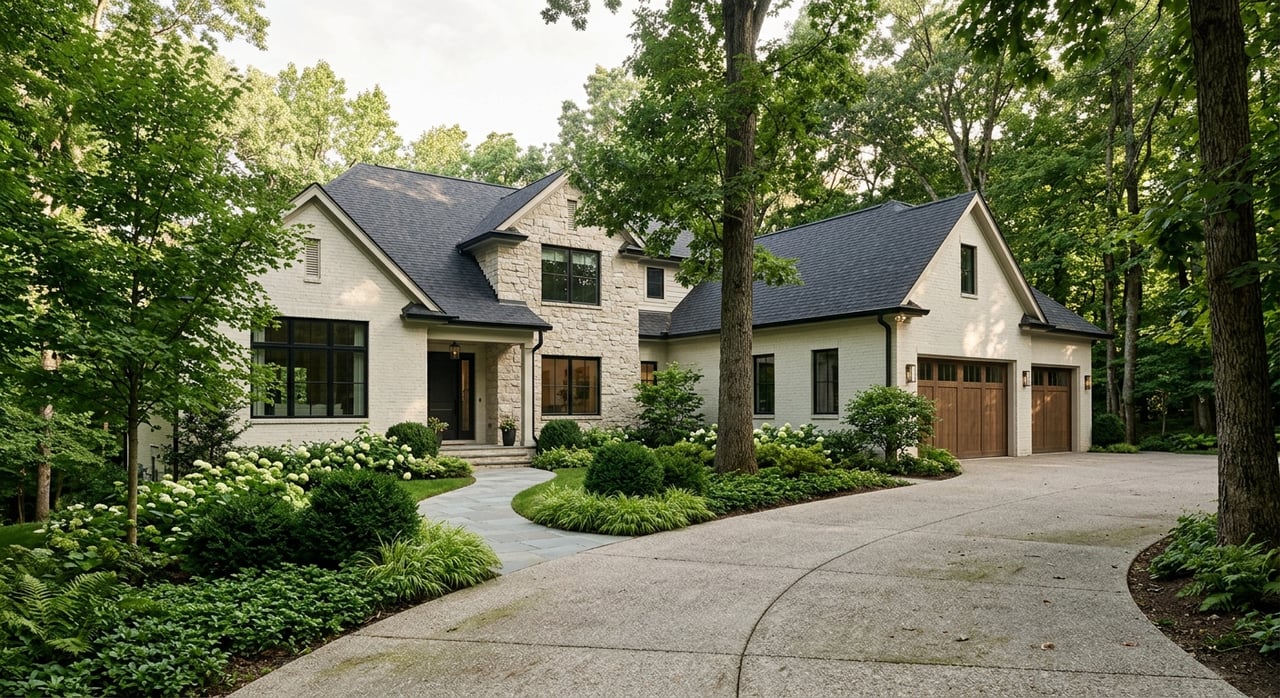
District 2, the rural residential conservation district, is the city’s most rural residential category. It is meant to protect agriculture, woodlands, wetlands, and other sensitive areas, with overall density of less than one dwelling unit per five acres and housing that is primarily single-family detached estate homes.
This category tends to appeal to buyers who want breathing room and a different relationship to the land. Instead of prioritizing quick access to downtown, these homes are often better suited to buyers who want a quieter setting and are comfortable with a less compact development pattern.
District 10, the Ravenna Road Corridor, can also have a semi-rural feel. The city describes it as a mix of large-lot single-family residences, commercial uses, professional office, and industrial uses.
Large-lot living often gives you more privacy and space, but it can also mean less emphasis on immediate pedestrian convenience. Hudson’s 2024 plan reinforces that future development should stay compatible in scale, density, and design with surrounding homes while preserving open space.
If you are deciding between a downtown-adjacent home and an edge-of-city property, this is often the core tradeoff. One option may offer closeness and convenience, while the other may offer land and a different pace.
Hudson’s housing demand is not limited to larger single-family homes. The city’s 2023 statistically valid community survey suggests a clear interest in more right-sized and lower-maintenance options.
In that survey, 60.2% of respondents said larger single-family homes were just right. At the same time, 53.5% said first-floor living was not nearly enough, while 31.2% said the same for townhomes, 28.8% for condominiums, and 19.5% for rental apartments.
If you are a buyer, this data helps explain why lower-maintenance options can attract attention when they do come to market. It also shows that Hudson demand is not one-dimensional. Buyers may want to stay in the community while simplifying upkeep or finding a layout that works better for the next stage of life.
If you are a seller with a home that offers first-floor living, easier maintenance, or a lock-and-leave feel, those features may resonate with a meaningful segment of the market. Positioning matters, especially when buyer needs are shifting.
Hudson’s planning direction points more toward compatible infill than outward sprawl. One example is Clinton Crossing, the former Downtown Phase II site northwest of First & Main, which is being planned as a downtown extension with public or semi-public space and medium-density residential space.
The city has said some of the housing under consideration is intended for empty-nester-style living with first-floor master suites. That reinforces a broader theme in Hudson’s planning and survey data: there is interest in newer housing options near the core that offer convenience and lower maintenance.
For buyers, future downtown-adjacent projects may eventually create options that are hard to find today. For sellers, these projects are worth watching because they can shape how buyers compare older homes, updated homes, and lower-maintenance alternatives in the years ahead.
This does not mean Hudson is changing its identity. The city’s planning documents still emphasize preserving existing neighborhoods, limiting new residential development in undeveloped areas, and keeping new development compatible with surrounding homes.
The best Hudson neighborhood for you usually comes down to a few practical priorities. Before you focus only on price or square footage, it helps to decide what tradeoffs you are most comfortable making.
Ask yourself:
If you are buying, these questions can narrow your search faster. If you are selling, they can also help clarify which buyers are most likely to connect with your home.
In Hudson, two homes with similar square footage can offer very different lifestyles depending on where they sit in the city. That is why it helps to evaluate each property through both a neighborhood lens and a housing-style lens.
A historic home near downtown may offer irreplaceable character but require more planning around updates. A suburban subdivision home may offer more predictability in layout and lot use. A rural or edge-of-city property may deliver privacy and land, but with a different daily rhythm.
When you look at Hudson this way, your decision gets clearer. You are not just comparing homes. You are comparing how you want to live next.
If you want help thinking through Hudson neighborhoods, housing styles, or how to position your home for today’s buyers, Tiffany Scavone brings a warm, strategic approach along with a practical eye for layout, condition, and long-term potential.
Stay up to date on the latest real estate trends.
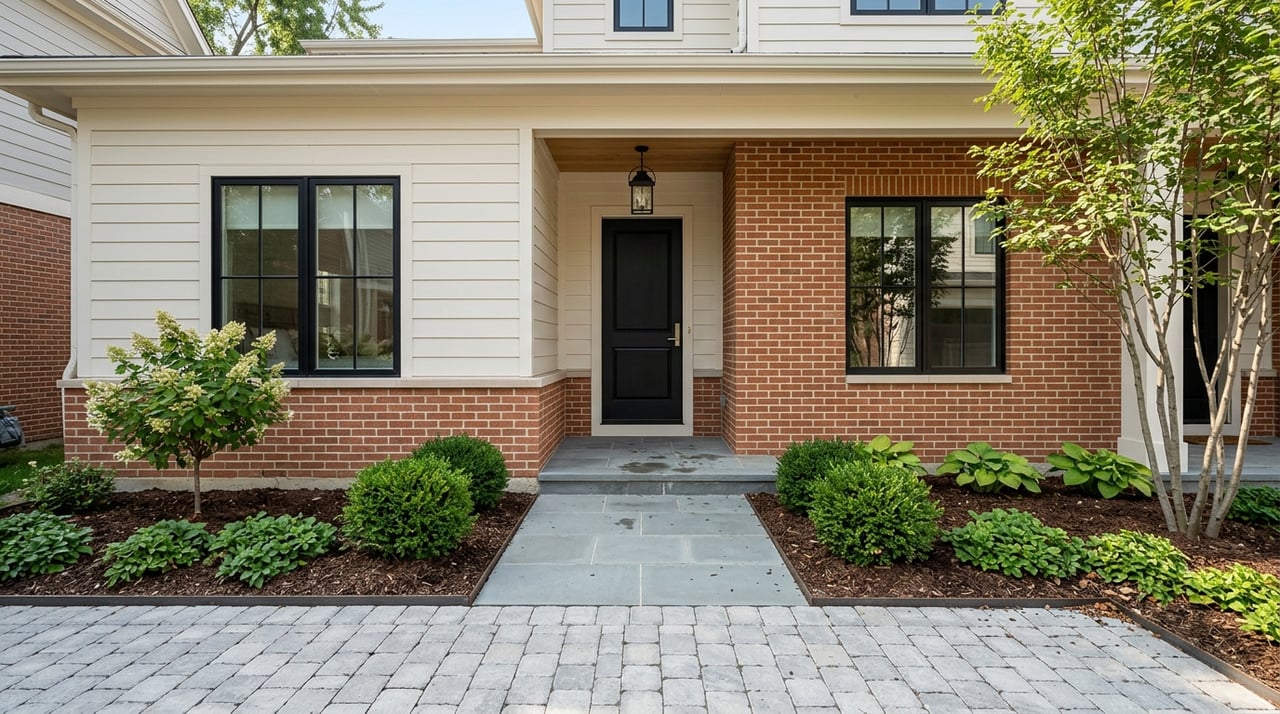
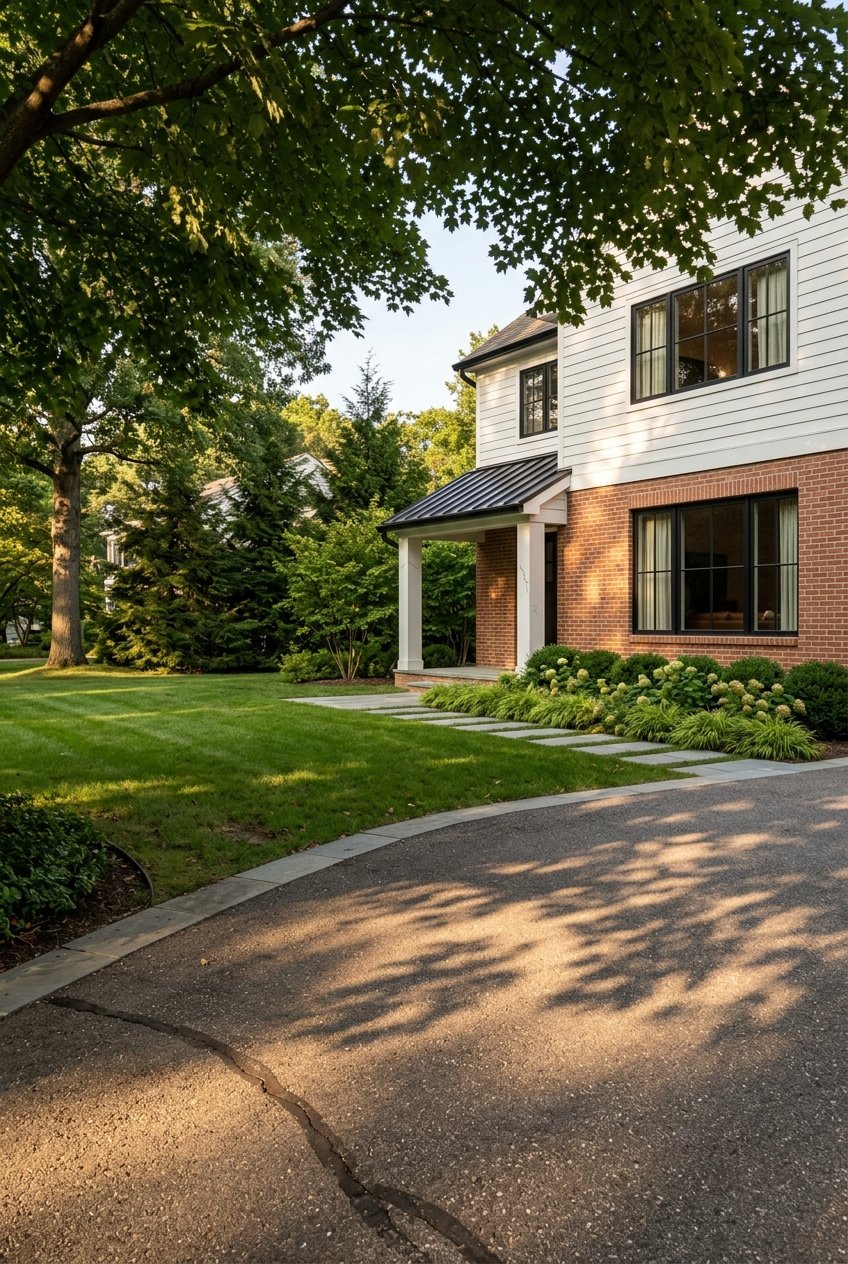
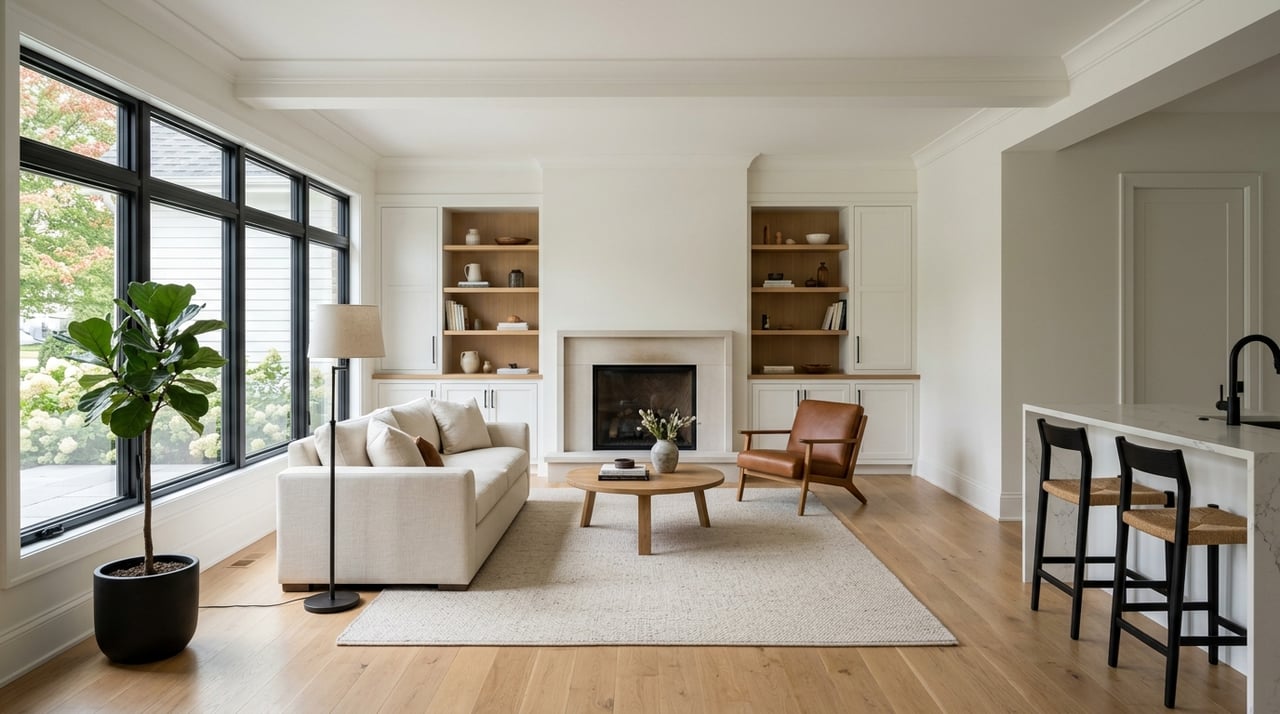
Tiffany Scavone delivers a luxury-level experience defined by strategy, discretion, and results. Whether buying or selling, you’ll receive hands-on service and expert guidance at every step.